


How to Use Retinol Night Cream Without Irritating Your Skin
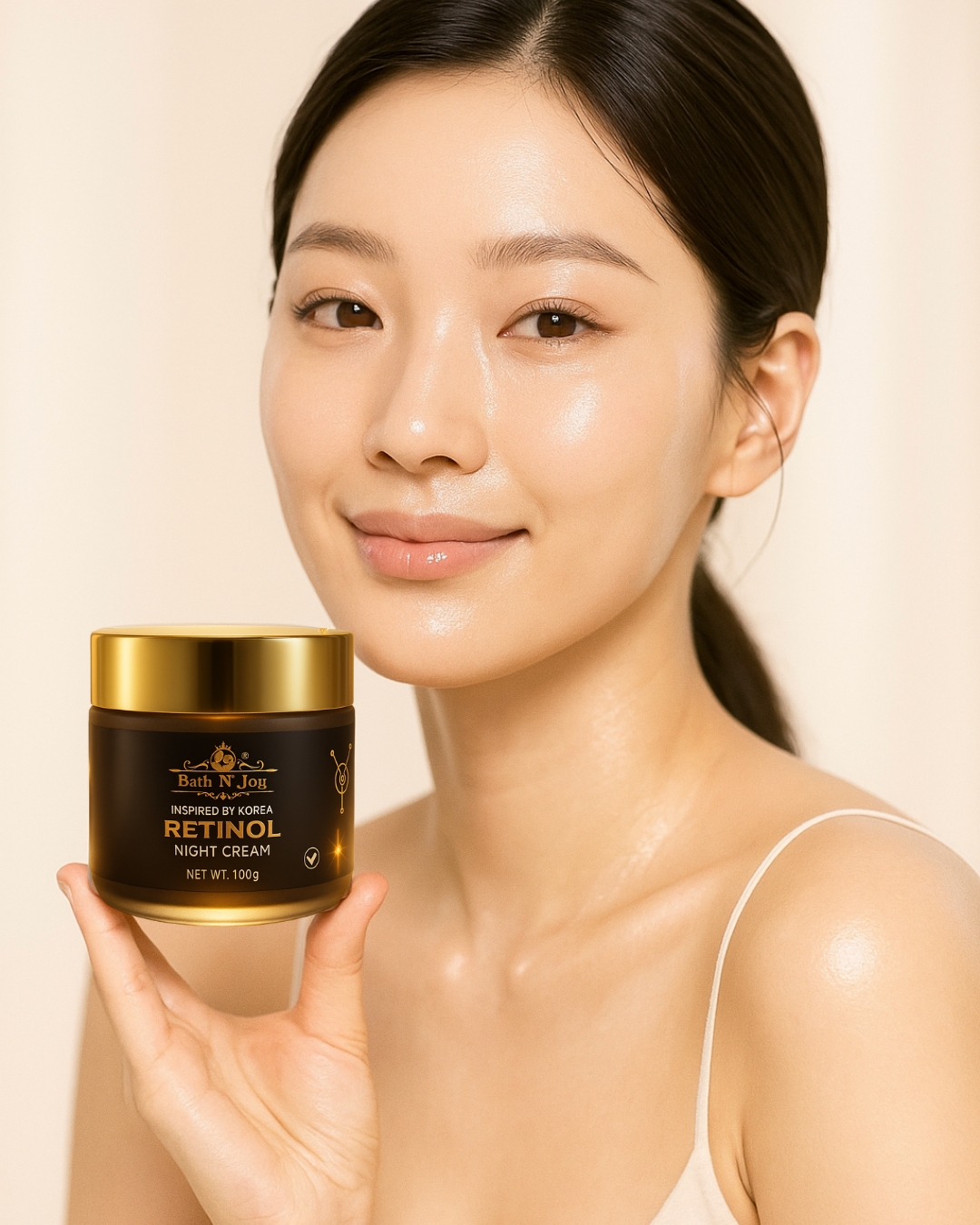
Introduction
Retinol is one of the most powerful ingredients in skincare, celebrated for its ability to smooth fine lines, fade dark spots, and boost collagen production. However, for many people, using Retinol Night Cream can cause dryness, redness, and peeling, especially if it’s not introduced properly.
At Bath ’N’ Joy (bathnjoy.com), we believe retinol can transform your skin when used correctly. In this guide, we’ll walk you through how to use Retinol Night Cream without irritation, so you can enjoy its anti-ageing and skin-brightening benefits with confidence.
What Is Retinol and Why Is It So Effective?
Retinol is a derivative of Vitamin A and is known for its cell turnover-boosting properties. When applied to the skin, it helps:
- Stimulate collagen production
- Reduce fine lines and wrinkles.
- Fade hyperpigmentation and acne scars.s
- Improve skin texture and tone
The key is introducing it slowly and carefully into your routine to minimise irritation.
How to Use Retinol Night Cream Without Irritation
1. Start Slow and Low
If you’re new to retinol, begin with a low concentration (0.1%–0.3%). Apply it just twice a week for the first two weeks to allow your skin to adapt. Gradually increase to every other night, then nightly if your skin tolerates it.
Bath ’N’ Joy Tip: Our gentle formula in the Bath ’N’ Joy Retinol Night Cream is designed for beginners and sensitive skin.
2. Apply to Completely Dry Skin
After cleansing, wait 10–15 minutes before applying retinol. This reduces the risk of irritation, as damp skin can absorb products faster — sometimes too fast, leading to redness.
3. Use the “Sandwich Method”
For extra protection against dryness:
- Apply a thin layer of moisturiser.
- Apply a pea-sized amount of Bath ’N’ Joy Retinol Night Cream.
- Apply another thin layer of moisturiser on top.
This locks in hydration and buffers the retinol’s intensity.
4. Avoid Mixing with Harsh Actives
Do not use retinol on the same night as exfoliating acids (AHAs, BHAs) or Vitamin C, as these can increase skin sensitivity. Instead, alternate nights to give your skin recovery time.
5. Protect Your Skin in the Morning
Retinol increases sun sensitivity, so always apply SPF 30+ during the day. Without sunscreen, sun damage can undo all the benefits of retinol.
Bath ’N’ Joy Tip: Pair your Retinol Night Cream with Bath ’N’ Joy Sunshield Sunscreen for complete anti-ageing protection.
6. Watch for the “Retinol Uglies”
Mild peeling, dryness, and redness during the first few weeks are normal — this is called “retinization.” If irritation is severe, cut back on usage or take a short break before restarting.
7. Apply Only at Night
Retinol breaks down in sunlight and becomes less effective. That’s why it’s best used as a nighttime skincare step before bed.
Common Mistakes to Avoid When Using Retinol Night Cream
- Using too much product – A pea-sized amount is enough for your entire face.
- Skipping moisturiser – This increases the risk of dryness and irritation.
- Not using sunscreen – Sun exposure without SPF can worsen pigmentation.
- Starting with a high-strength formula – This often leads to skin damage.
When Will You See Results?
Patience is key. Most people notice smoother, brighter skin in 4–6 weeks, but anti-ageing benefits like wrinkle reduction can take 3–6 months of consistent use.
Conclusion
Retinol Night Cream is a powerful ally in your skincare routine — but only when used correctly. By starting slow, applying on dry skin, buffering with moisturiser, and protecting with sunscreen, you can avoid irritation and unlock all the anti-ageing benefits retinol has to offer.
For a gentle yet effective option, try Bath ’N’ Joy Retinol Night Cream, specially formulated to deliver results without harsh side effects.
Explore more skincare solutions at bathnjoy.com.
FAQs About How to Use Retinol Night Cream
Q1: Can I use Retinol Night Cream every day?
Only after your skin adjusts. Start with 2–3 times a week, then slowly increase frequency.
Q2: Can I apply retinol under my eyes?
Yes, but sparingly and with caution — the under-eye area is delicate.
Q3: Can retinol cause acne?
Sometimes, yes. Purging (temporary breakouts) is common in the first few weeks.
Q4: Can I use retinol with hyaluronic acid?
Absolutely! Hyaluronic acid hydrates and complements retinol beautifully.


